


In‑Out’s historic root beer makes comeback
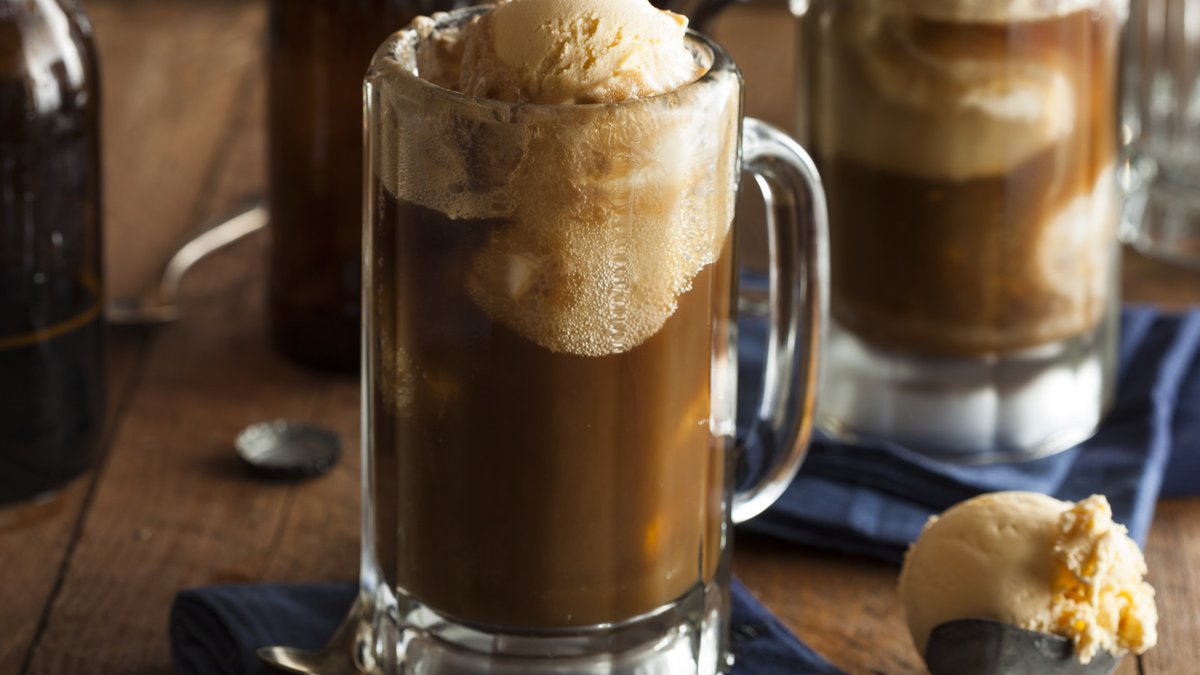
In the 1950s, In‑N‑Out offered a soda fountain that included a now‑rare root beer, giving diners a cold, bubbly complement to their burgers.
In‑N‑Out’s 1950s soda menu
The chain began in 1948 when Harry Snyder turned a 100‑square‑foot space into California’s first drive‑through burger stand, a modest venture that quickly attracted local attention. By the end of the decade the business had grown enough to replace bottled drinks with on‑site soda fountains at each of its five locations, a move that signaled a shift toward fresher service.
Patrons could order a 12‑ounce cup for ten cents and choose from three drinks: Pepsi Cola, Nesbitt Orange, and the root beer that would later become a footnote in soda history. The price point made the beverage affordable for families, while the variety gave customers a taste of the emerging soft‑drink market.
That root beer was Hires, the original American formula that dates back to the 19th century and had already built a reputation for its distinctive flavor profile.
The rise and fall of the original root beer
Charles Elmer Hires mixed more than two dozen herbs, berries and roots in 1876, creating the first commercially sold root beer. His invention quickly gained traction, especially during Prohibition, when alcoholic beverages were banned and consumers turned to non‑alcoholic alternatives for social drinking.
After the 1930s the label remained a staple on many tables, but a string of ownership changes between 1960 and 1990—through Crush International, Procter & Gamble, and Cadbury Schweppes—saw its market share erode as new competitors entered the arena.
When PepsiCo bought Mug Root Beer in 1986 and Coca‑Cola acquired Barq’s in 1995, the competition intensified and Hires slipped further behind. The 2010 purchase by Keurig Dr Pepper effectively removed the product from most shelves, favoring the company’s own A&W Root Beer.
While the brand’s nationwide presence has faded, a small community still seeks it out, keeping the legacy alive in niche venues.
Related: What Makes a Beauty Brand Stand Out in a Cluttered Market
A niche market keeps the label alive
Reddit users report that a handful of Utah eateries still serve the drink on draft, often in frosty mugs that enhance the carbonation. One commenter noted, “We have three restaurants in the Salt Lake Valley that still sell it in frosty mugs. No cans, but it’s worth it for me,” adding that the root‑beer extract is sold locally for home mixing.
Another user claimed a single drive‑in in Salt Lake City holds the franchise rights for the state and continues to pour the original formula on tap, a rare arrangement that preserves the historic taste for regional fans.
It’s plausible that the limited regional supply could sustain a modest but loyal following, especially if the extract remains accessible to home brewers who cherish authentic recipes.
Fans outside Utah are vocal about a revival, especially as the brand approaches its 150th anniversary next year.
What the future may hold
Some enthusiasts are urging the parent company to re‑introduce the classic root beer, hoping nostalgia will translate into sales and broaden the product line.
Today, In‑N‑Out lists Barq’s as its root‑beer option, a shift that reflects broader market trends rather than a return to the historic formula.
Root beer still fascinates collectors.


